
A perfect example of Two Sided Adhesion, one year later.
Close up of sealant joint wide range of expansion and contraction.

A perfect example of Two Sided Adhesion, one year later.
Close up of sealant joint wide range of expansion and contraction.
To verify that sealants will cure when closed cell foam is used as a backing material we’ve applied two types of sealant to the foam in the proper orientation.
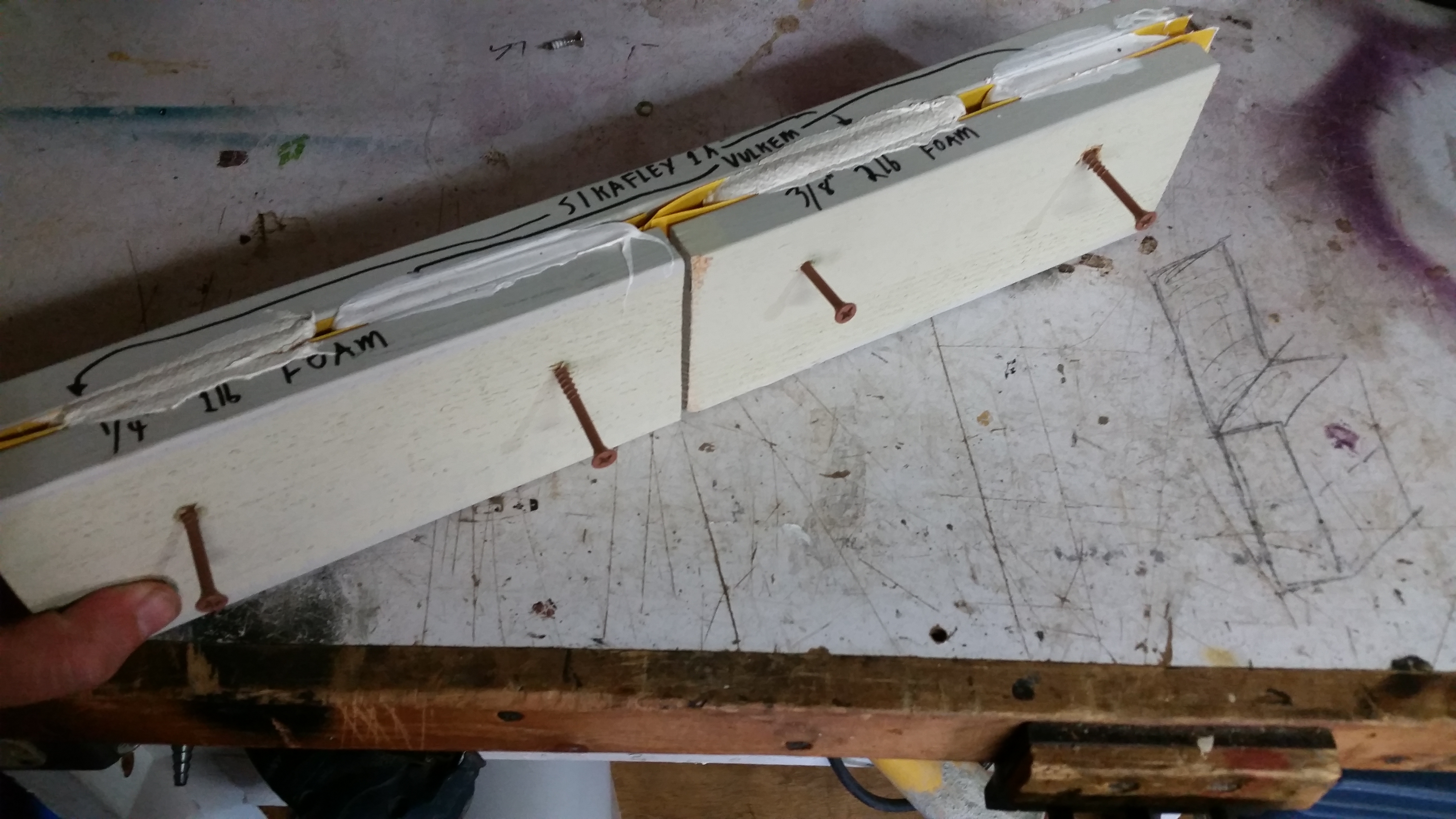
We formed a sealant channel, lined either side with silicon release liner, to which the sides of the sealant joint would contact.
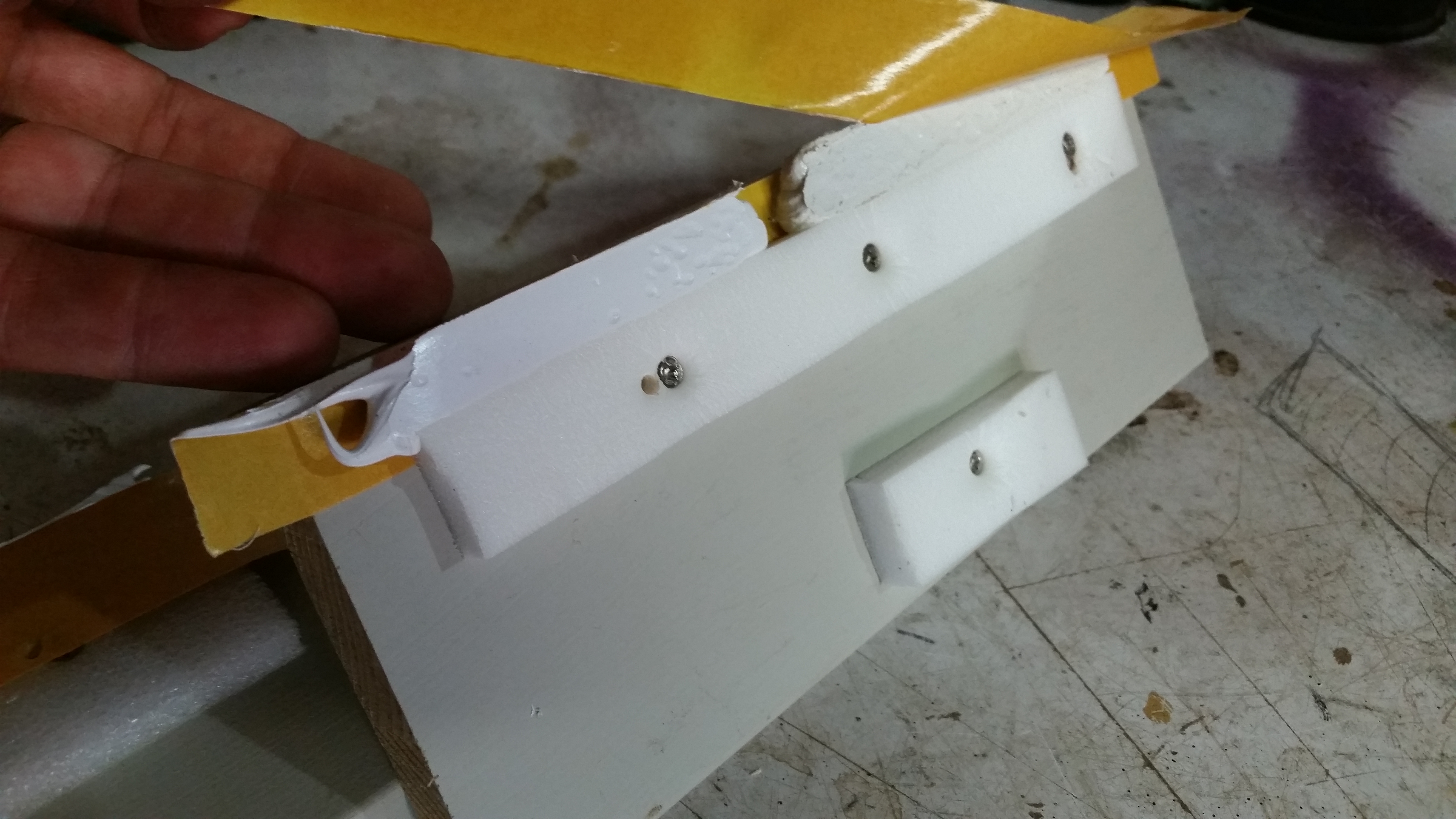
After curing for seven days we opened the joint and pulled of the liner.
We cut through the joint and observed that the sealant was fully cured.

We also noted that the sealant did not adhear to the Polyethylene foam. When we compressed the sealant, the foam released from the sealant.
This illustrates that BackrTape will provide a fully functional sealant bead with proper 2 sided adhesion.
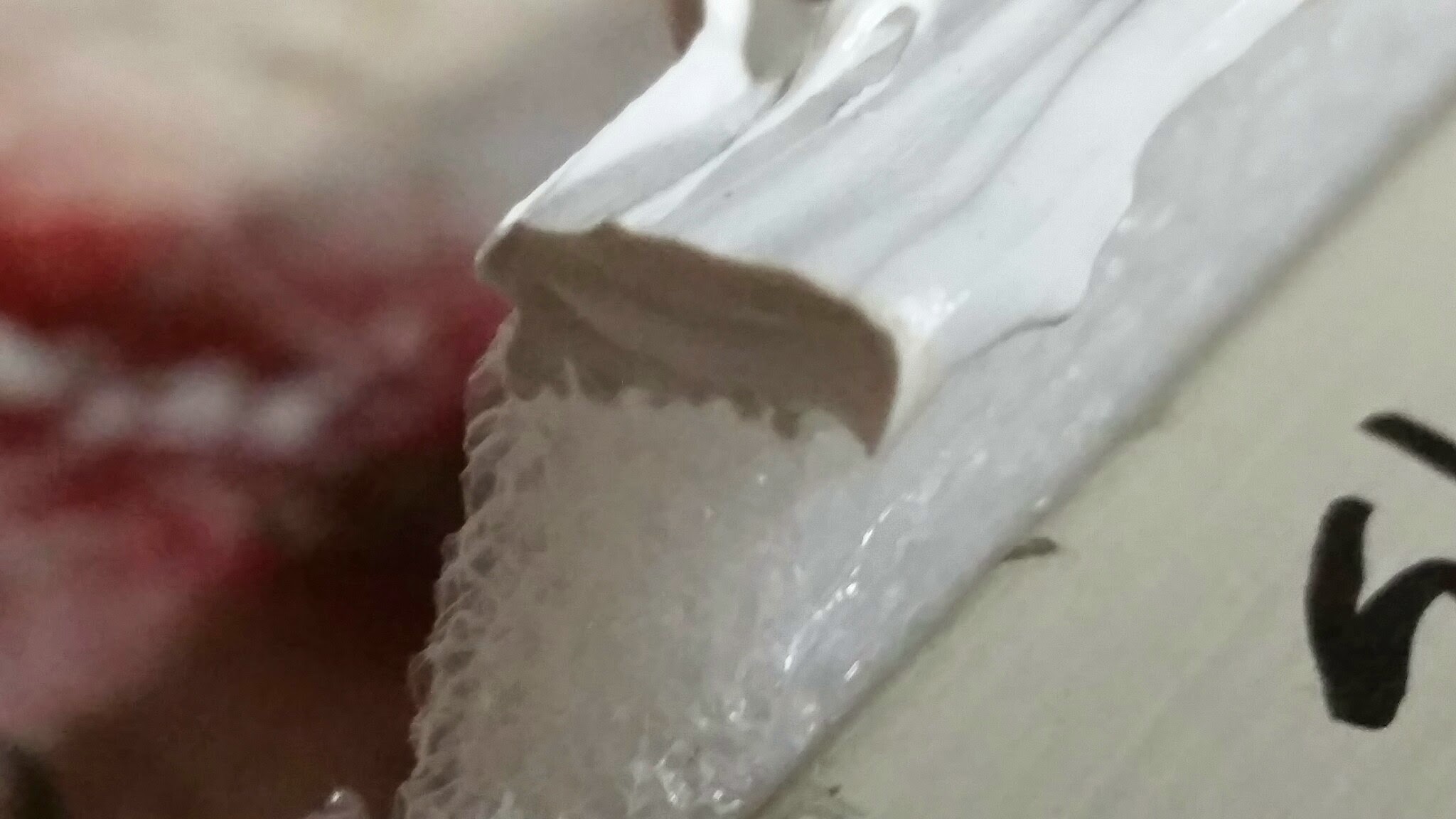
Note that:
* The sealant in the video, SikaFlex 1a does not adhere to the polyethylene foam.
* The sealant forms “fingers” as it fills the small cells of the foam, these fingers allow the irregular surface of the sealant allows it to move with the foam as it expands and contracts.
Both of these attributes are critical to the performance of the sealant.
Back’rTape, (Patent Pending)
Combination Expansion Joint Strip with Strippable Screed Spacer, Masking Attachment, and Sealant Joint Backing Material
 RodlerBead