

Buildings can be said to fall into two weather resistive categories: Barrier and Drainage.
The majority of residential construction and many commercial and public buildings have Drainage Systems. A Barrier system is expected to prevent all weather water from passing the face of the building. We see this typically at storefronts where the face of the building is glass, frames and masonry or concrete. Where the materials meet each other in such a system professional flexible joints are created to prevent all water entry. When you look at a building with a Barrier system you are looking at the waterproofing.
A Drainage system, while stopping the large majority of weather, is expected to allow incidental water through. This incidental water that gets past the face of the building is prevented access to the structure and or interior with a flashing and weather barrier system.
Gaps and cracks in exterior plaster assemblies allow water past the exterior faces of the building to the underlying systems. Any minor flaw in the flashing or weather barrier systems exposed to water can lead to serious structural damage as well as damage to interior finishes. With decades of experience in water damaged buildings we can attest to the extends of such damages.
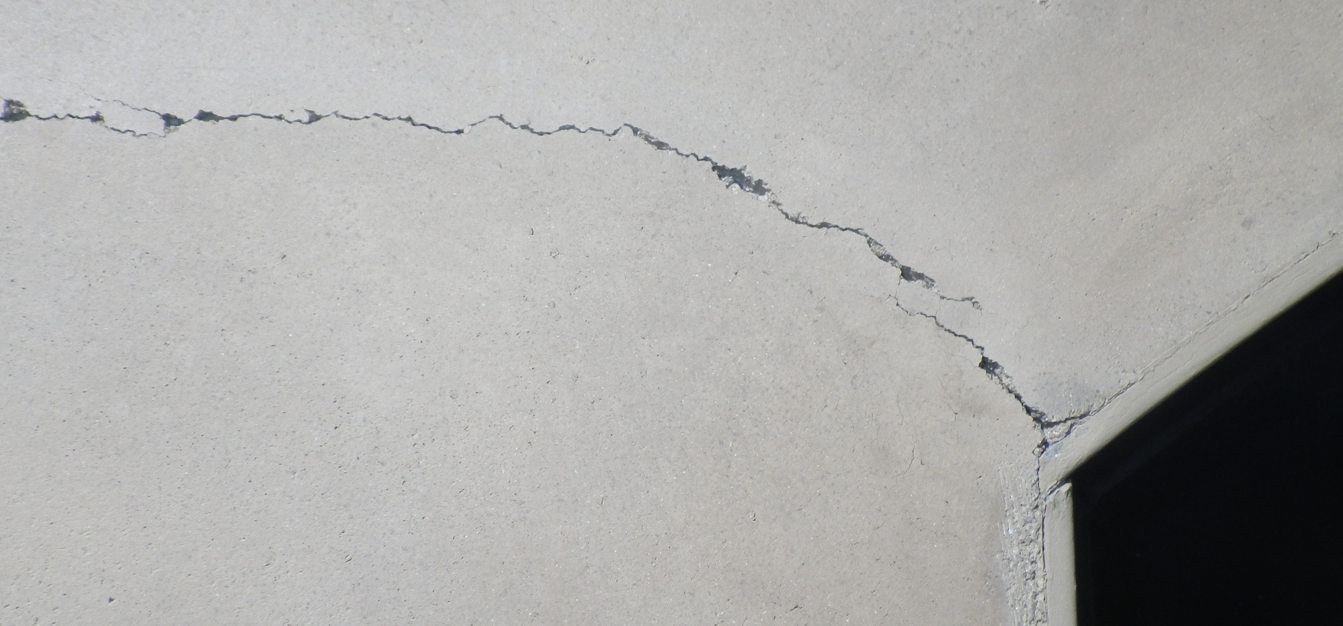
The most common place that we find flaws are in the complex flashing systems around windows and doors – the very areas where we see the most gaps and re-entrant corner cracks.
RodlerBead does not just fulfill an important code requirement but is an excellent means of preventing most re-entrant cracks and gaps around windows and doors while adding another level of water resistiveness to you project.
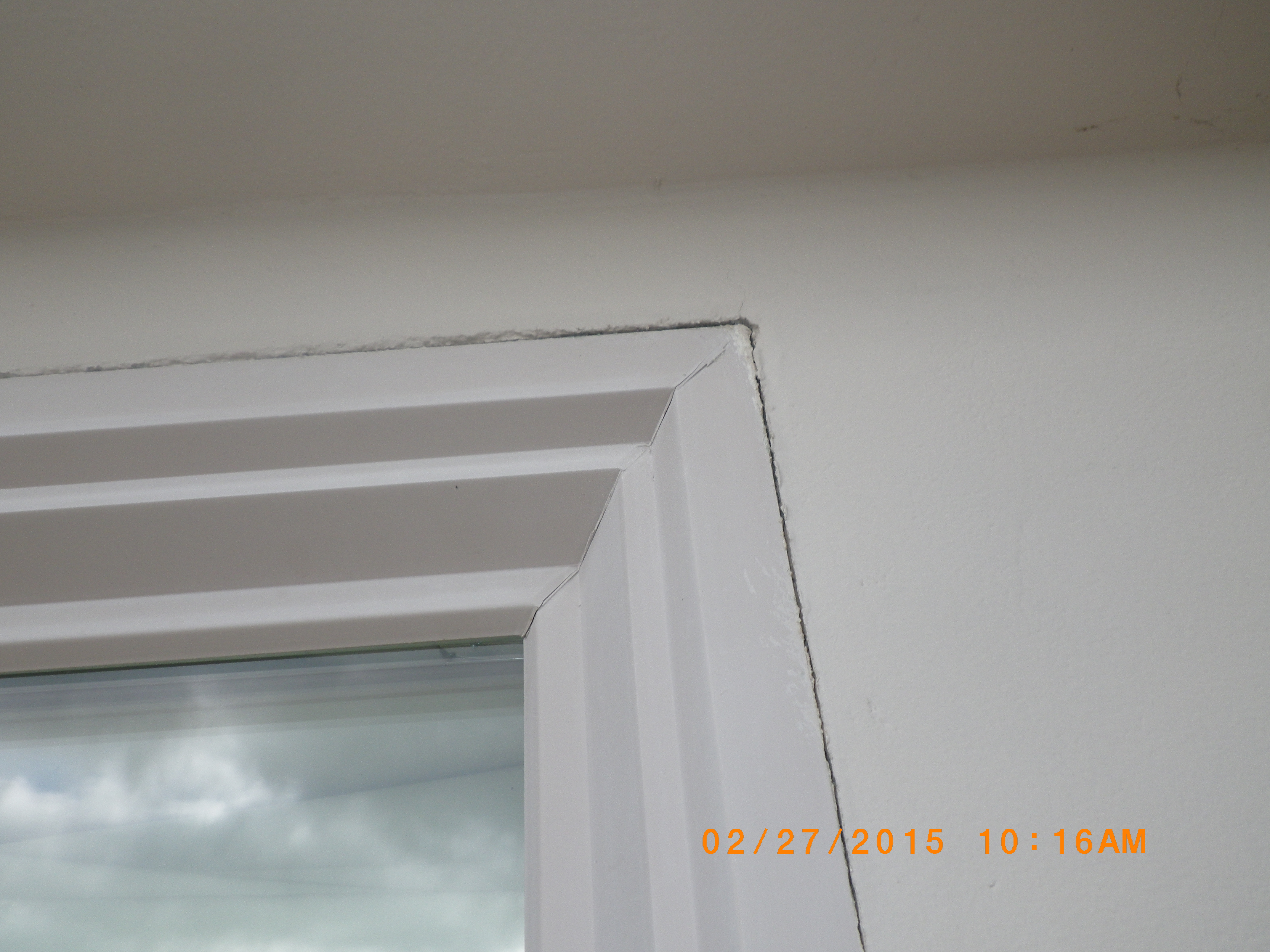
The gap between this window and the stucco would not have happened if RodlerBead had been installed and the channel it provides filled with a good flexible sealant. The gap will let water in behind the stucco.
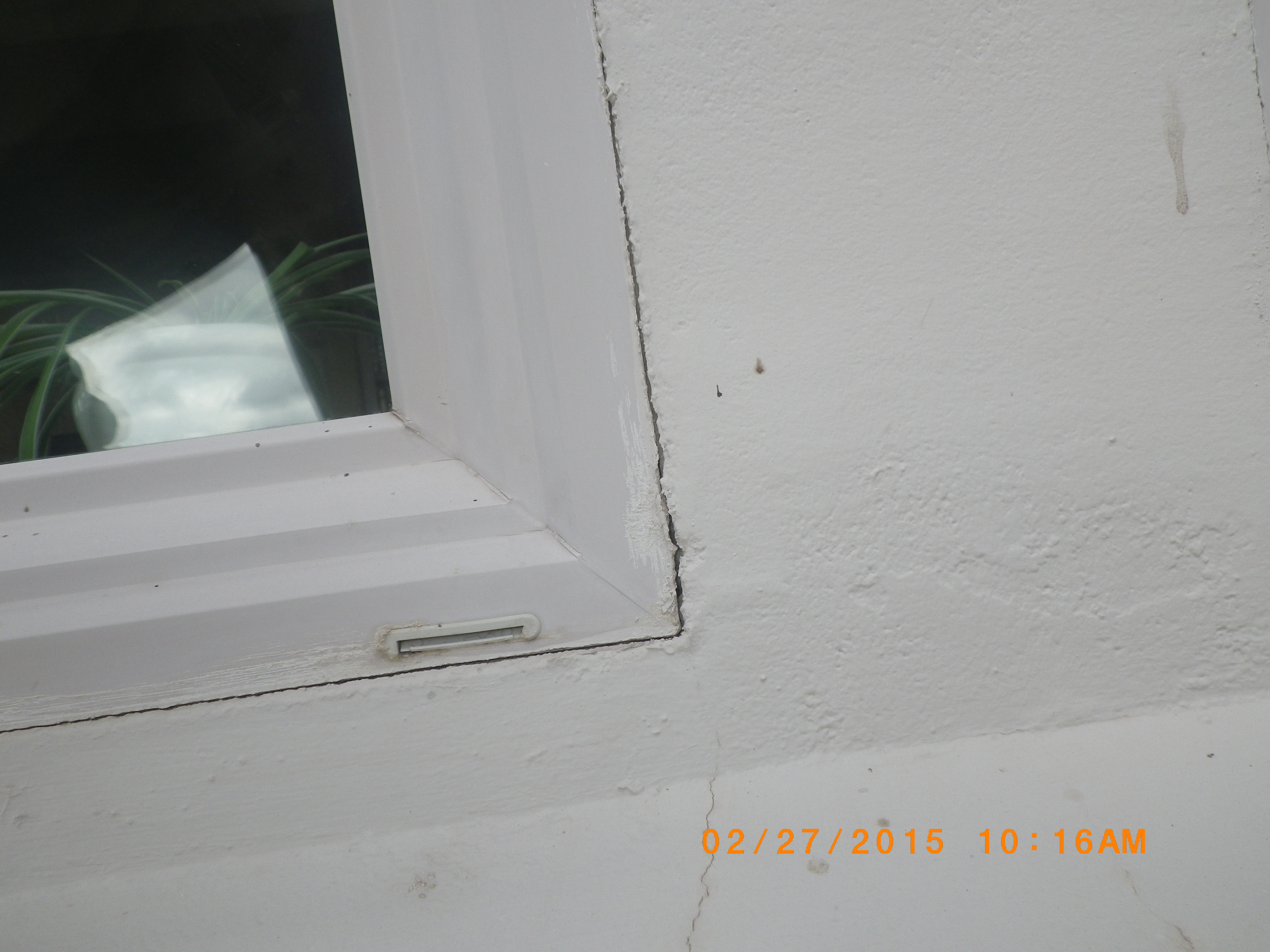
These re-entrant cracks allow water behind the stucco. A flexible join between the window and the stucco would very likely have prevented this.
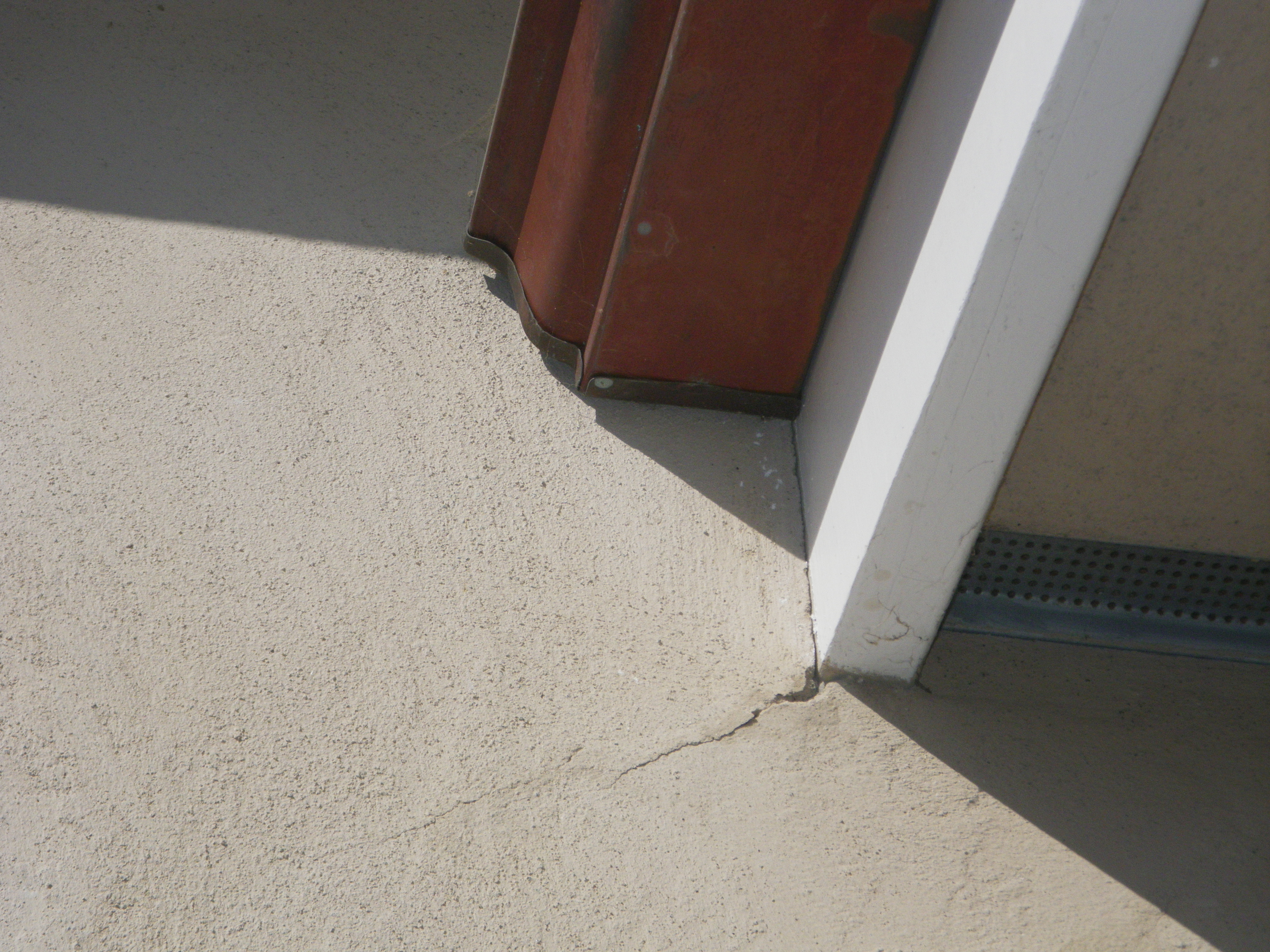
If RodlerBead had been used, followed by a flexible sealant, where this lumber passed into the stucco it is very unlikely that this crack would have happened.
Updated 9/16/24 MFC
 RodlerBead